
09.23.26 • Moss Utilities
Why Data Center Utility Schedules Compress (and How Capacity-First Crews Beat the Curve)
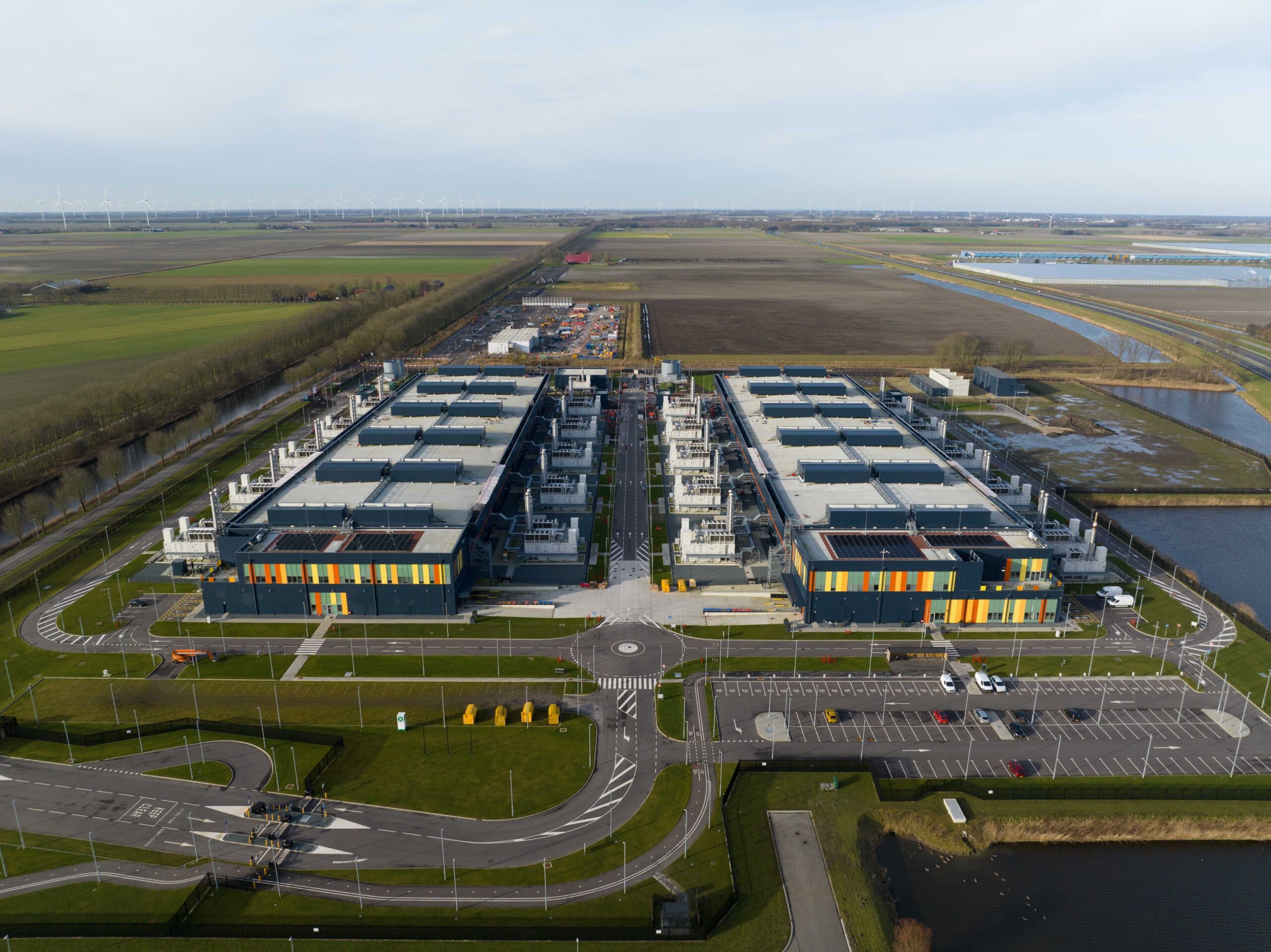
While the hope is that every construction project will stay on schedule, the reality is that there are often data center utility schedule delays that end up affecting the entire project. Owners are pushing for online capacity faster than ever before, and the increasing demand is causing real pressure on the contractors who are working on the site.
In this article, we are taking a closer look at a common question property owners are asking: why do data center construction schedules get delayed? Understanding these common delays can help you take a proactive approach to building cushion into the schedule and avoiding some of the typical things that might delay the schedule.
Why the Timeline Is Compressing from Both Ends
In most parts of the country, interconnection queues are being measured in years (not months) due to the high demand. Contractors have limited time available, and property owners want their data centers online as soon as possible, which is making it challenging to keep up with industry demand.
Since there is schedule pressure from both ends, it means that there is little room for error. For example, if there is an interconnection delay, then it can unfortunately eat up most of the buffer that was originally built into the schedule.
The result of this data center construction timeline compression is that after the utilities are finally in place, there is more pressure for all remaining stages of construction to move faster. Even though this piece of the project was delayed outside of any person’s control, it still has a domino effect on the rest of the project.
What Is Actually Causing These Data Center Utility Schedule Delays?
While most property owners want to point a finger at the contractor, the truth is that the delays are likely unavoidable. Often, these utility interconnection and transmission upgrades are outside of a contractor’s control. For example:
- Material Delivery Delays: High demand in the industry has resulted in longer lead times on equipment, including generators, switchgear, and transformers. It can take as long as a year from the time the order is placed to when the materials are received.
- Permitting and Regulatory Reviews: Another factor that can result in a data center utility delay is the extensive permitting process and regulatory reviews that must take place. These steps are largely outside of the project team’s influence, especially when it’s a large-load facility, since additional reviews are often triggered for projects of this size.
What Is Actually Under the Control of a Utility Contractor?
While there are undeniable factors that are outside of the contractor’s control, other things can be managed to avoid project delays. For example, the scope of work for civil and wet utilities doesn’t have to be on pause based on the utility company’s timeline. Some things can move forward during this waiting period, such as site utilities, grading, and duct bank installation.
Additionally, an experienced contractor can help to minimize schedule delays by ensuring that the sequencing of duct banks and site utilities happens before the site is approved to go live.
The Best Approach: A Capacity-First Crew Sequencing Data Center
There are a few things that we can do to minimize the risk of schedule delays that affect the whole project. This process is known as a capacity-first crew sequence. It involves finishing the duct banks, grounding, and site utilities as early as possible.
As a result, the site will be ready to go the moment the power arrives. This is much more efficient compared to waiting for power before the civil work begins.
Our team stages the scope of work to prepare for the day the power arrives. This is a proactive approach, which is much more reliable compared to other contractors who use a reactive approach. As a result, you can expect a smooth transition instead of a last-minute scramble.
What It Will Cost You to Be Behind Schedule
This proactive approach is critical not only to keep the construction on track, but also to prevent potential issues that can drive up costs. For example, if the site is not civil-ready when the interconnection finally comes through, it can cause costs to go up, which could have been easily prevented with early utility engagement.
After the power arrives, every week that is lost because the civil scope still needs to be finished means that the facility is losing revenue. These profit losses really start to add up, especially for large, high-value data centers.
FAQs
Why do data center construction schedules keep slipping?
The most common data center utility schedule delays happen because of long lead times for equipment (generators, switchgear, and transformers) and long queues for utility interconnection. The reality is that these issues are often outside of the contractor’s direct control, and the problems are continuing to get worse due to increased industry demand.
How long does data center utility interconnection take in Texas?
The actual timeline varies depending on the location of the data center and the load size for the project. ERCOT has a large load queue, which means that many of these large data center projects have multi-year interconnection timelines.
What part of a data center build is not controlled by the utility company?
Certain parts of the project are controlled by the contractor (not the utility company), such as the civil and wet utility scope. For example, a contractor can complete things such as site grading, duct banks, and underground infrastructure on their own timeline.
Civil Contracting Services from a Team You Can Trust
At Moss Utilities, we have extensive experience working on data center projects, and our crew understands what it takes to keep you on track with the schedule. If you are looking for civil and wet utility services that are ready as soon as the power arrives, then we invite you to contact us for a consultation. We offer a full range of services to support large-scale projects.