
08.12.26 • Moss Utilities
When Should You Bring a Wet Utilities Contractor into a Project? A DFW Developer’s Decision Guide
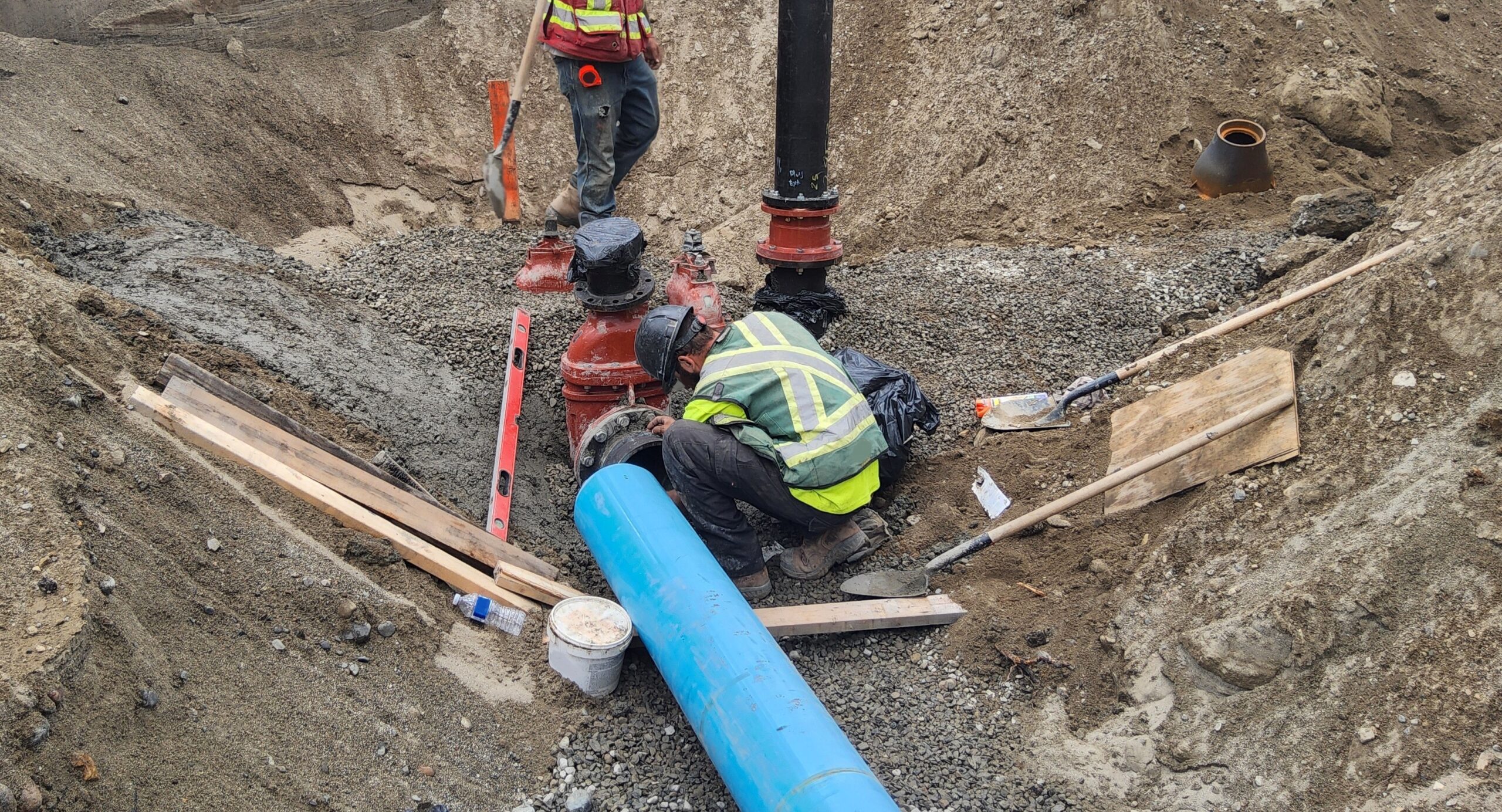
As a developer, you know that schedule planning is a critical aspect to ensure an on-time delivery of the project. Bringing on contractors at the right time matters so that all of the on-site teams can work together to finish each step of construction according to schedule. During pre-construction, you need to know when to bring in a wet utilities contractor so that the infrastructure is in place for the rest of the construction stages.
Why It Makes Sense to Bring in a Wet Utility Contractor Engagement Early On
Designing the right scope of work from the beginning will help you avoid expensive mistakes down the line. Instead of waiting until it’s time to dig, the best solution is to bring on a wet utility contractor in the planning and development phases. Quality utility engineering ensures that the infrastructure will support the rest of the upcoming phases of construction.
Ultimately, early engagement with a wet utility contractor is a good investment because you can minimize change orders or rework on the project. Proper planning makes it easier to stick within the project budget and minimize the risk of complications in the future.
When to Bring in Utility Coordination (By Design Phase)
Here are a few essential things to consider to ensure success with your planning and utility coordination:
- Feasibility and Programming: First, you need to make sure that the site will be able to support the utilities that are necessary for the project.
- Schematic Design: Next, start scoping out the utility corridors so that you can determine the best layout for where the pipes and lines will be running.
- 30% Design Development: This is the sweet spot where a utility contractor should be brought in to assist with the design. During pre-construction utility coordination, the contractor can offer insights as the design continues to be developed.
- 60% Construction Documents: A wet utility contractor in DFW definitely needs to be involved at this point so they can help with city/MUD pre-applications and value engineering.
Which Design and Delivery Model Will Work Best for Your Project?
Picking the right approach for your delivery model will make a big difference in the overall progress and success of the project. Choosing the right model depends on your tolerance for change orders and how much you want to maintain control over the bidding process. There are three main options to choose from:
- Design-Bid-Build: With this model, utility planning can be problematic because the utility coordination often happens too late in the process. The design is basically complete before the utility contractor sees it. As a result, there may be multiple change orders required to complete the scope of work.
- Design-Build: Many developers prefer this approach, especially since these projects tend to finish around 30% faster and cost less per unit. With this approach, the utility contractor is involved during the design phase, so potential problems can be addressed right away (before the plans are locked in).
- Design-Assist: This is a middle-ground option that you might consider and works well for wet utility work, such as water, sewer, and storm drainage. The utility contractor is brought in early enough to assist with conflicts and pricing issues, but the owner doesn’t need to give up the typical bidding structure.
DFW Permit Timing for Utilities Installation
Keep in mind that the Dallas Water Utilities and Fort Worth Water Department have their own review timelines for permits, so the timeline can vary depending on where your project is located. Both departments move slowly, which is why it’s important to add a buffer into the schedule to accommodate permitting requirements.
Every city reviews projects differently: Plano, Frisco, McKinney, Allen, and Garland. Just because a timeline worked in one city doesn’t necessarily mean that you can stick to the same timeline for another city.
Also, there is one more layer of review for the MUD/WCID boards, based on their meeting schedules. They typically meet monthly, which means that you might have several weeks of delay if the submittal misses a cutoff.
FAQs
When should I bring in a wet utility contractor on a commercial project?
A wet utility contractor can be helpful as early as the pre-schematic or schematic design phases. At the latest, you want to have a wet contractor involved by the time you are at 30% design development.
Is it worth paying for pre-construction services from a wet utility contractor?
Absolutely, it’s a great investment to bring in a wet utility contractor to help with pre-construction services. This approach reduces the need for change orders and can help you save money overall.
What is subsurface utility engineering (SUE), and when do I need it?
SUE is the process of identifying all existing underground utilities, which should be done before the design is finalized. This is an essential detail that should be addressed during the schematic design phase.
What is the average change-order rate on wet utility scope?
If a change order is needed for a wet utility scope, then it can increase the costs by an average of 8 percent of the project costs. Some projects can have as much as a 30 percent increase in costs if the utility contractor is brought in too late.
Is it Time to Call a Wet Utility Contractor in DFW?
If you are wondering whether it’s time to bring in a wet utility contractor for your project, then reach out to our team at Moss Utilities. We’re here to review your scope of work and discuss your project needs, ensuring that you have the right level of support every step of the way.
One of the benefits of choosing Moss Utilities is that we self-perform all of the work that is done. Since we don’t bring on subcontractors, you will be working with one team. This process helps you avoid coordination gaps in the utility schedule.
We recommend that you bring in our wet utility expertise before 30% design development. Our team is here to assist with everything from pre-schematic planning through final acceptance testing.
For more information about available services, contact us at Moss Utilities.