
08.05.26 • Moss Utilities
The Underground Utility Scope Behind Every DFW Data Center: A Developer’s Site-Infrastructure Guide
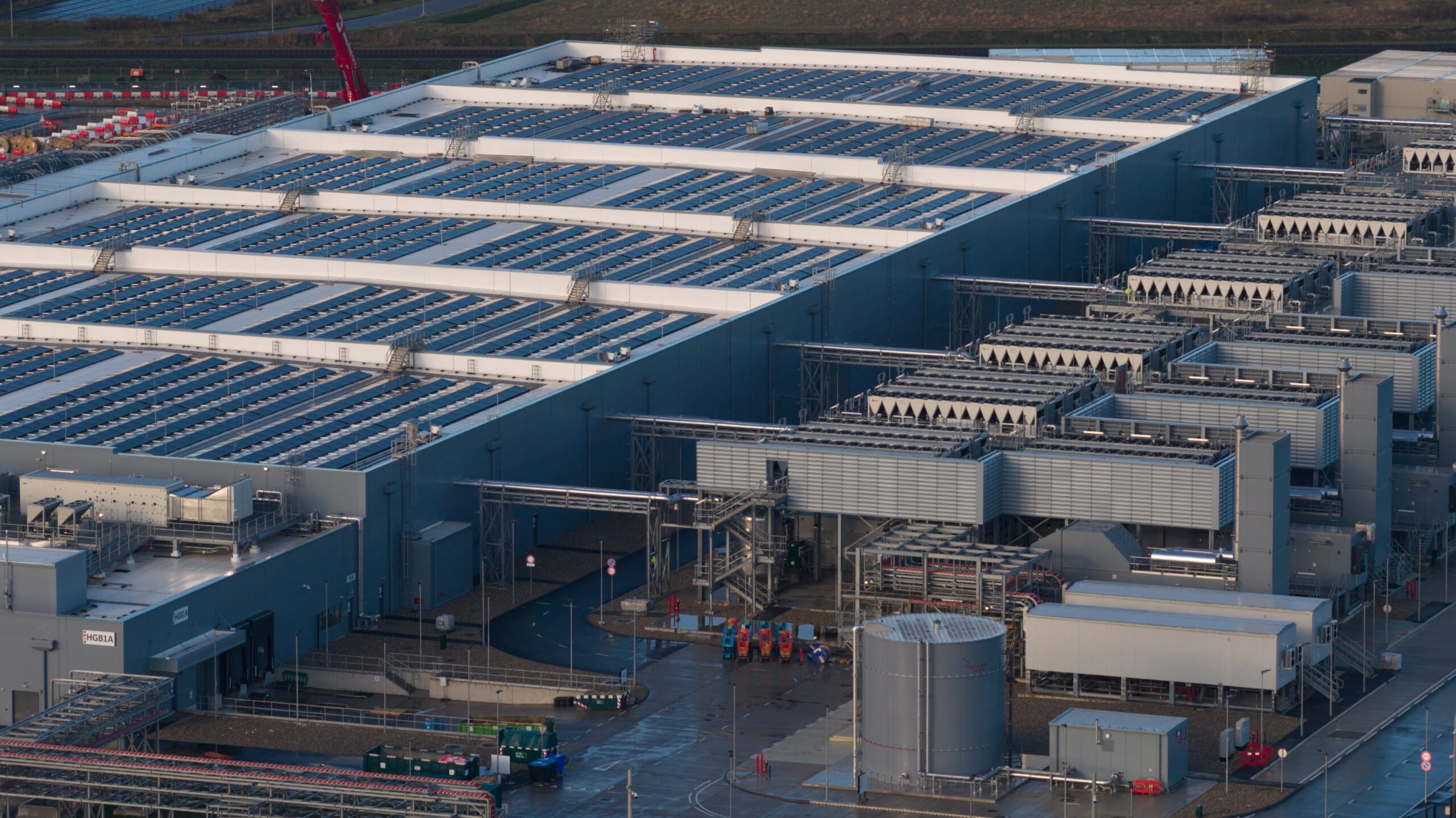
While power and infrastructure are at the top of mind when planning a data center, there is a full scope of work that needs to be addressed to ensure the project is completed on time. One of the most important pre-construction steps is the placement of data center underground utilities.
In the state of Texas, there are around 140 data centers that are under construction, which means that the construction industry is in demand to meet the needs of these new facilities. Not only do these developments need power, but wet utilities are just as important (and don’t often get the attention they deserve).
Why Underground Utilities Need Stronger Prioritization
Even though the data center site utility scope typically focuses on power, the wet utility scope should also be a priority at this point. Developers know that reliability and utility consistency matter: these data centers need to be online at all times, without any disruptions to the services.
Data centers are running 24/7/365 without a break, and a utility failure can be devastating. So, the full scope of work needs to guarantee that the utilities will support the facilities’ needs on an ongoing basis. This starts with the placement of reliable underground utilities, which creates the foundation for the rest of the construction schedule.
The Most Common Elements in a Data Center Underground Utilities Scope of Work
While each project is unique and needs customized plans, there are some common elements included in every data center utility plan:
- Water Supply: This scope of work covers both public and private mains, as well as large meters. The water supply needs a strong flow capacity for these hyperscale sites.
- Redundant Water Feed: Most scopes of work include a redundant water feed for data center cooling. This backup ensures that the cooling system is always working, even if there is an issue with the main water source.
- Sanitary Sewer: Different requirements are necessary in this subcategory to address the blowdown process and domestic waste streams.
- Storm Drainage: Not only does the drainage system handle the huge surface loads from a data center, but it also needs to be designed for detention and water quality management.
- Fire Lines: Dedicated suppression feeds are necessary for the fire line system. Additionally, the water sources must be the correct size.
- Electrical Duct Banks: When utilities are placed, it’s common to create a concrete encasement so that fiber and high-voltage infrastructure are protected. It’s worth mentioning the duct banks because it’s more cost-effective to run both wet and dry utilities through the same banks.
Data Center Water Requirements and Infrastructure
Water is a critical component for data center cooling to keep the equipment at a proper temperature and avoid system failures. These hyperscale facilities pull in mass volumes of water for cooling, in addition to the typical site demand.
In fact, in the state of Texas, the current projections anticipate that data centers will account for 3 to 9 percent of the statewide water use by 2040. This is a heated debate in the community, with many people wondering how these data centers will affect the environment and residential water access.
Data center sites must plan their water infrastructure strategically and work with local authorities for the permissions and approvals that are needed to support each facility. Developers and underground utility contractors understand the challenges and offer the assistance needed to move forward with the project.
“The Data Center Standard” for Underground Utilities: More Than Other Commercial Buildings
The important thing to understand is that a data center isn’t just another commercial building. Additional features are necessary to meet the utility demand. Data centers require zero-fail redundancies, which means that single points of failure need to be designed out at every stage of construction.
For example, the high-voltage and fiber pathways must always be 100 percent clear to allow for pulls when needed. The installation process needs to be designed to accommodate this future need.
Also, different testing gates are required before the utilities will be accepted, including mandrel, pressure, and bacteriological checks.
Because of these added requirements, it’s essential that you are working with a data center wet utilities contractor in DFW that has previous experience in the industry. You need a team that understands the project requirements and will deliver the reliable infrastructure to ensure long-term performance. Moss Utilities is here to help with planning and utilities installation. We have successfully completed other data center projects and have the experience that you need.
FAQs
What underground utilities does a data center require?
The full scope of work for underground utilities must include the water supply, sanitary sewer, storm drainage, fire suppression lines, and electrical duct banks. Concrete encasement is usually placed to hold the utility lines.
How much water does a data center use, and how is that infrastructure sized?
The exact amount of water used depends on the cooling method used in the data center, as well as the size of the facility. Additionally, redundant feeds are necessary to avoid full system failures.
What is a redundant water feed and why do data centers need one?
A redundant water feed is a backup supply line. So, if the main line fails, there is a secondary source of water to keep the cooling system running. A 24/7 facility must have these redundancies.
Moss Utilities is Here to Help with Your Data Center Underground Utilities
At Moss Utilities, our in-house crew can complete everything that you need for a successful underground utilities installation. We have experience with data centers and other hyperscale projects, offering a full range of services, including water, sewer, storm, fire lines, concrete, and duct banks.
One of the benefits of choosing Moss Utilities is that we handle the entire scope on our own, without subbing anything out. We are truly a full-service team, ensuring quality results every step of the way.
If you are looking for utility installation services for a data center project, then we invite you to call us at Moss Utilities.