
10.27.26 • Moss Utilities
Stormwater Management for Large Commercial Developments: What Developers Need to Know
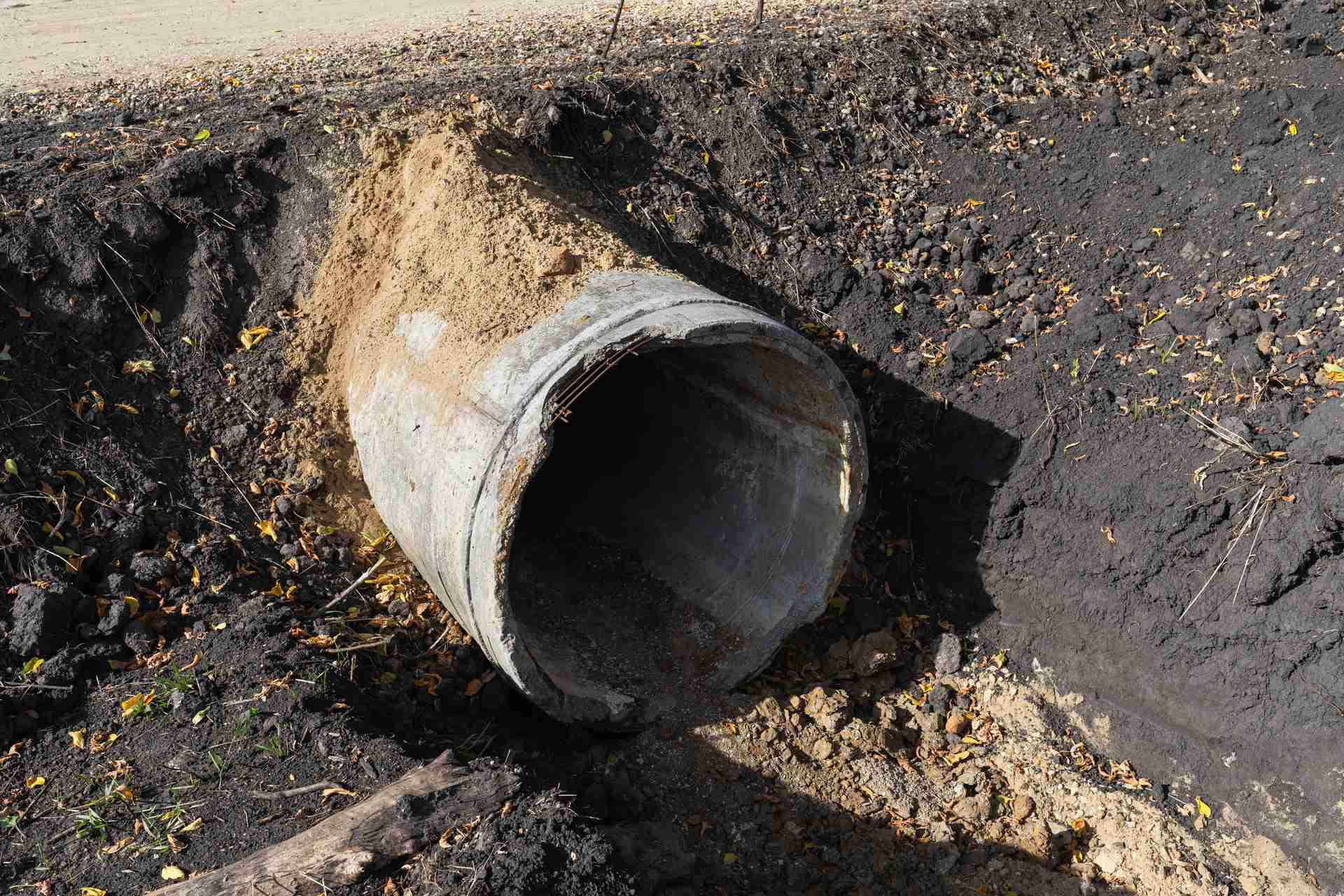
Experienced developers know that it’s critical to install a robust system for stormwater management for commercial development. This infrastructure is designed to collect rainwater, slow down water flow, and make sure that the water moves to the desired destination safely.
In the bigger picture on a construction site, commercial stormwater drainage can have a domino effect on the rest of the project. Not only does it affect grading, but stormwater management also needs to be planned in advance for utilities, permits, and scheduling purposes.
Here are a few important things that developers need to keep in mind before breaking ground on the site.
Why Advanced Preparation is Critical for Commercial Development
Stormwater management for developers needs to start as early as possible, so that you can build the excavation and installation into your construction schedule. Site conditions matter. For example, if you have a site that has a lot of roofs and pavement, then there is going to be a lot more runoff compared to raw land. Without a proper plan in place, flooding can affect parking lots, neighborhoods, and other properties that are downstream.
When it comes to commercial stormwater drainage, it’s common for cities to require that the post-development flow does not exceed the water flow that the land was producing before construction. Specific regulations and best practices must be followed to manage the water and implement erosion control strategies.
Core Parts of All Commercial Drainage Systems in Texas
Our team at Moss Utilities is here to help with the planning and installation of your project. Depending on the site conditions and construction plans, we will help you design the ideal stormwater management for commercial development. Various elements in the design might include:
- Inlets that collect surface water.
- A storm drain pipe that carries water from the inlets to the outfall.
- Box culverts are designed to move large flows of water under roads and through drainage corridors.
- Concrete structures are sometimes needed to hold features such as headwalls and junction boxes that connect the system together.
- Detention systems are included in the design when stormwater needs to be held and released slowly (so that downstream areas are protected).
- If the land is too valuable for an open pond, then underground detention systems can be designed with large pipes or chambers.
Grading Is Designed to Be Part of the System
Not only does stormwater management for developers involve the placement of pipes and other features, but grading is also an important consideration to determine where the water will flow. The grading of the site will shape where the water goes. So, if there is poor grading, then you might end up with ponding in the parking lot or water that moves toward buildings (and could potentially cause damage to the foundations).
The ideal approach for commercial stormwater drainage systems is to design both the grading and underground piping at the same time. Both of these elements depend on each other, which is why they need to be designed together.
Overcoming the Most Common Stormwater Challenges on Commercial Sites
Working with an experienced team like Moss Utilities helps you avoid some of the most common stormwater challenges on commercial sites. Some of the most common challenges that happen on commercial sites include:
- Flooding and ponding that happen due to low spots and undersized inlets.
- Erosion due to bare soil during the construction phases.
- Utility issues can occur if there is a place where the storm lines cross water and sewer lines.
- If local drainage requirements are missed, then it’s common to run into compliance problems.
- Utility conflicts need to be addressed, especially when the storm lines are large and deep.
We can plan ahead to prevent any delays with the approval and installation process. It’s important to build extra time into the schedule since plan reviews sometimes stall when permits and city input are needed.
Planning Ahead for Commercial Stormwater Drainage Systems
The best way to avoid unexpected costs and project delays is through a proactive approach to planning stormwater management for commercial development. This plan needs to be addressed before other utilities are placed, in order to avoid rework and lost time.
So, most developers choose to bring in the utility contractor during the design phase. This approach allows us to address potential conflicts as soon as possible, before the excavation equipment arrives on site. The goal is to resolve possible issues on paper, which increases the likelihood of a smooth installation without delays.
FAQs
Why is stormwater management important for large commercial projects?
Heavy runoff on large sites is common, which is why it’s critical that proper systems are in place. Stormwater management helps to prevent issues relating to flooding, erosion, and permit problems.
What is the purpose of a stormwater detention system?
This system is designed to temporarily hold the runoff water. Then, the water is slowly released to the downstream areas, without overwhelming them.
When should developers plan stormwater management for a commercial project?
It’s best to start preparing for stormwater management in the early planning stages. These features need to be handled before grading and utility layouts are set.
What should developers look for in a commercial storm drainage contractor?
Find a contractor that has extensive experience with large pipes, box culverts, and concrete structures. It’s also helpful to work with a well-connected team in the Dallas/Fort Worth area because they will have relationships with local inspectors.
How Moss Utilities Supports Commercial Stormwater Infrastructure
In order to ensure success with your commercial stormwater drainage systems, it’s critical that you bring in an experienced utility installation team as soon as possible. Hiring the right contractor might be the most important decision that you will make.
Our team at Moss Utilities brings years of experience on large-scale commercial development projects. Not only do we understand the best strategies for success in the soil conditions here in Texas, but we also have a working knowledge of local inspection requirements.
For more information about your site’s drainage plan, reach out to us right away. We’re here to help with everything from excavation and grading to storm drainage, box culverts, concrete structures, and beyond. Call today for a site review and personalized recommendations.