
11.10.26 • Moss Utilities
Fire Line Backflow and Fire Marshal Acceptance in DFW: What General Contractors Need to Know
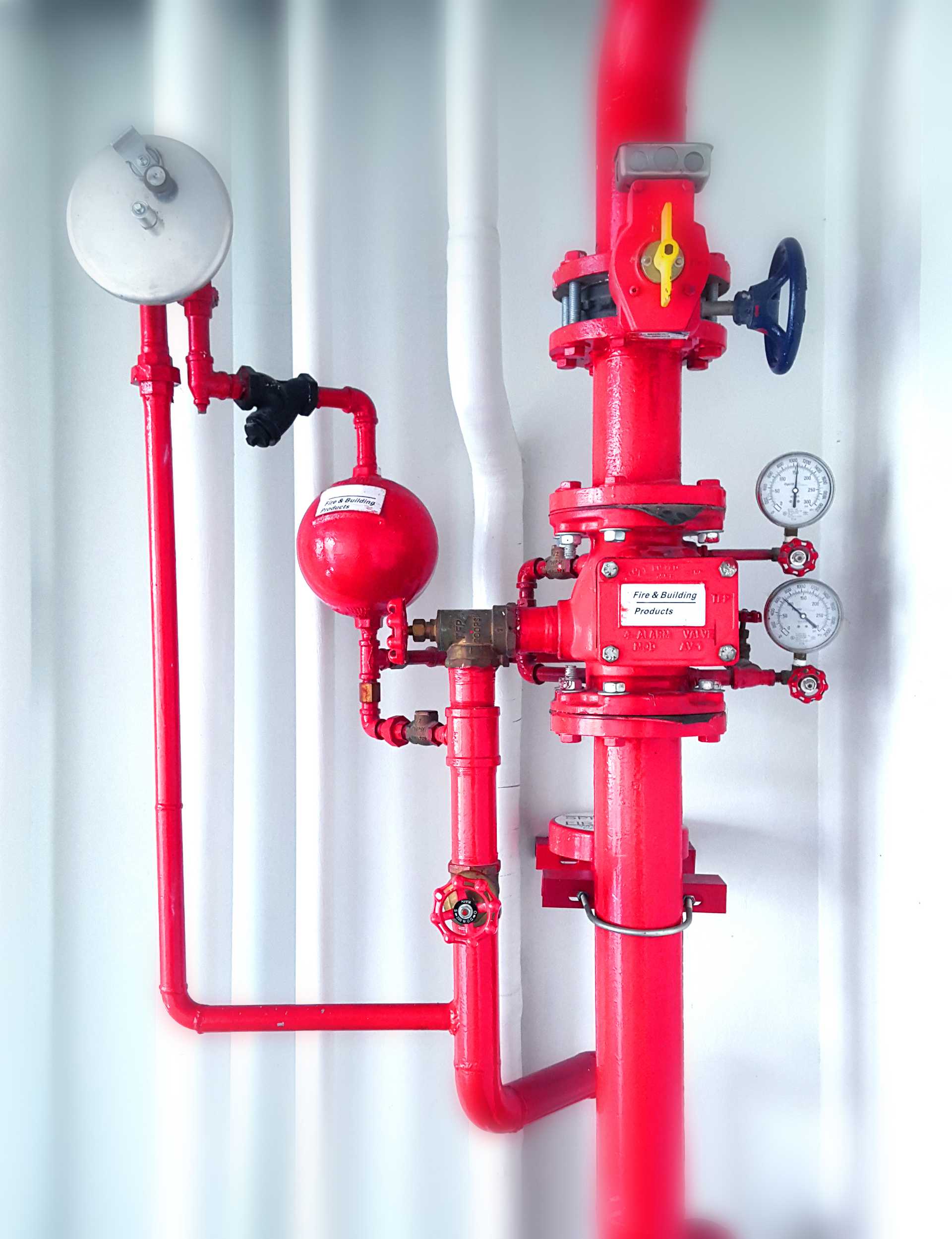
Specific inspections and approvals are always required when a new fire line is installed, based on the regulations and requirements here in DFW. As a general contractor, there are several things that you need to know about fire line backflow prevention requirements, and hiring the right subcontractor to help will make a big difference.
Here are a few things to keep in mind before the first trench:
Why Fire Lines Need Backflow Protection
This backflow protection is necessary since there will be fire water sitting unused in the pipe. The water can sit for months, which is why it is non-potable. The challenge that needs to be addressed is that if the pressure drops, the stagnant water could potentially flow back into the public supply.
The right assembly can prevent this backflow, and there are several points in the timeline where inspections and testing need to occur. For example, after installation, the system should be tested before it goes live. Then, testing needs to be done on an ongoing basis following a schedule, as set by the utility authorities. The initial test is just step one of the documentation that needs to be maintained going forward.
Authorities Overseeing Fire Line Backflow Prevention Requirements
There are actually two authorities involved in the fire line backflow prevention requirements:
- Water Utility: The water company cares about backflow protection because they are responsible for maintaining the quality of the water in the community. The water utility company requires detector meters to determine if there are any issues in the system that need to be fixed.
- Fire Marshal: Additionally, the fire marshal cares about the installation of the system, as well as approval and testing.
Choosing the Assembly: DCDA vs RPDA
Which type of assembly is ideal for your fire line backflow prevention? Two of the most common options include:
- Double Check Detector Assembly (DCDA): If you have a double check detector assembly fire line setup, then it means that two check valves are in place, as well as a metered bypass. This system is effective for not only detecting leaks but also for identifying unauthorized use. DCDA is ideal for lower-hazard systems.
- Reduced Pressure Detector Assembly (RPDA): If you have an RPDA system, then there is a relief valve built in. RPDA offers stronger protection for higher-hazard systems, which is why it is often required for systems with antifreeze or foam additives. Proper drainage is critical.
As you are choosing the right system for each project, make sure to determine whether the assembly needs to be placed in a vault or if it can sit above ground. Plan adjustments to accommodate vault depth (as well as drainage and access) will have an impact on the site plan and overall costs.
The utility will determine which type of system is needed for each job. Always ask whether a detector meter is necessary and about the right placements for the vault and fire department connection.
Step-by-Step Overview: Underground Fire Line Inspection Requirements
These are the main steps that should be followed for the underground fire line inspection:
- Only Licensed Contractors: The first and most important thing to note is that in Texas, only properly licensed contractors are allowed to install underground fire lines. Typically, the contractor needs to have an underground license through the State Fire Marshal’s office, such as SCR-U with an RME-U. Before subbing out the work, always check the subcontractor’s licensing.
- Permit and Approved Plans: Before any digging begins, make sure to always have the permit and approved plans in hand. Not only do these steps ensure compliance, but they are also important for site safety now and in the future.
- System Inspection: Once the fire lines are in place, a visual inspection is always required before covering the lines. Make sure that the joints and thrust blocks are exposed for the inspection.
- Pressure Requirements: According to the NFPA 24 fire line hydrostatic test, at least 200 psi is required. Or, if the maximum pressure is over 150 psi, then the requirement is 50 psi above that maximum pressure.
- Pressure Consistency: The pressure shouldn’t fluctuate. This pressure typically needs to stay within 5 psi at all times.
- Flushing Before Connection: It’s necessary to flush before connecting the riser. Then, once this connection is in place, a licensed tester needs to certify the backflow assembly.
- Final Inspection: This process always finishes with the final inspection, which means that you should have a Contractor’s Material and Test Certificate in hand.
City-Specific Requirements and Common Failures
While the fire line backflow prevention requirements are similar in most parts of Texas, there are unique variations that need to be addressed, depending on the location of the job site. Keep in mind that these requirements can vary by city.
Also, there are common failures that you should always watch out for, including:
- Pressure loss
- Buried thrust blocks
- Flushing
- Missing paperwork
- Unlicensed installers or testers
Always do your homework ahead of time and plan the inspections early to prevent schedule delays. It’s a good idea to walk the line with your foreman before the fire marshal is on site, which will reduce the likelihood of surprises that impact your schedule.
FAQ
What is the difference between a DCDA and an RPDA on a fire line?
A DCDA is designed with two check valves and may be used for lower-hazard systems. On the other hand, an RPDA adds a relief valve and is recommended for higher-hazard systems.
Who can legally install an underground fire line in Texas?
When an underground fire line is being installed, the contractor should always be working under a State Fire Marshal’s Office underground fire sprinkler license (such as SCR-U with an RME-U).
Who can test a fire line backflow preventer in Texas?
Fire line testing can be completed by a tester who has been licensed for backflow prevention assemblies.
Expert Help for Your Fire Line in DFW
If you are getting ready to install a fire line, then Moss Utilities is here to help. We offer full-service solutions to ensure that your fire lines pass inspection the first time. Contact us for more information about available services.